More from this series:
- Why Most Data Initiatives Fail (Hint: It’s Not Literacy, Technology, or Talent)
- The Missing Element of Literacy — Communication
- Literacy Is a Two-Way Street — The Case for Both Business and Data Literacy
- The Literacy Experience – Interviews from the Trenches
- The Language of Literacy: Does it Help or Hurt When We Label People?
- How Will AI Change Literacy and Access to Data?
About the Webinar
For many organizations, the flow of data is the bloodstream that keeps operations alive. Success depends on having accurate, efficient, timely, and consistent processes that govern the creation, movement, and digestion of data. Every step is critical.
Virtually every employee touches (and impacts) data at some point in its trajectory. Yet, too often, any decision or action regarding data is assumed to be the responsibility of people in the analytic department.
Calls for company-wide data literacy often result from the realization that data quality is being compromised or output is being misinterpreted by users outside the “data” departments. The organization begins to realize that almost everyone has a data responsibility.
In this session, we explore dependencies that require a degree of literacy from “non-data” workers.
About the Speakers
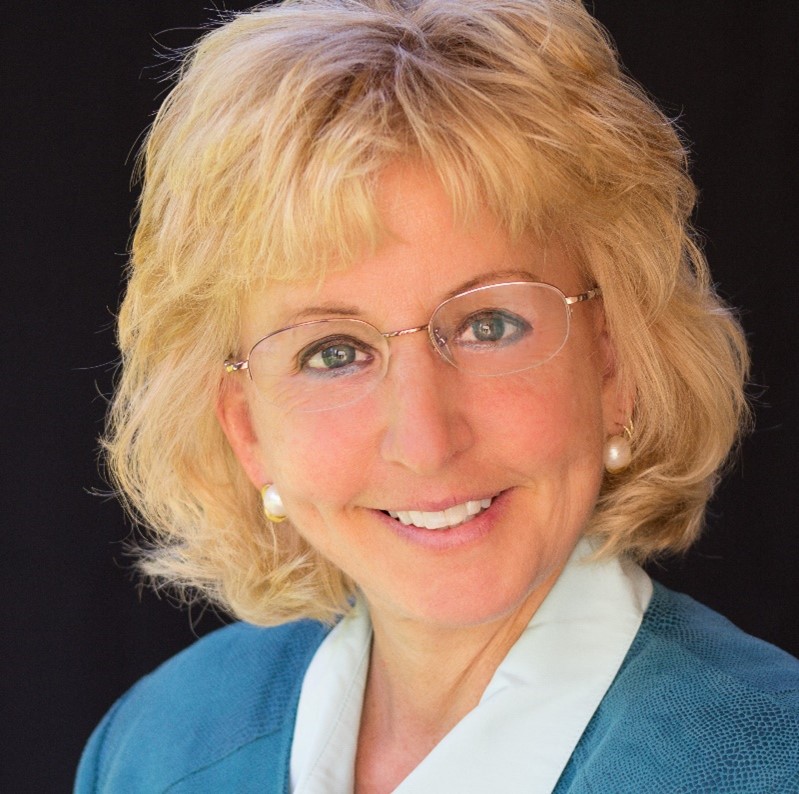
For over 35 years, Wendy Lynch, PhD has converted complex analytics into business value. At heart, she is a sense-maker and translator. A consultant to numerous Fortune 100 companies, her current work focuses on the application of Big Data solutions in Human Capital Management. Through her roles in diverse work settings—including digital start-ups, century-old insurers, academic medical centers, consulting firms, health care providers and the board room—she became familiar with (and fascinated by) the unique language of each. She also became familiar with the difficult dynamic that often exists between business and analytic teams—preventing them from collaborating effectively. Those experiences led to her true passion of promoting clear and meaningful conversations that produce mutual understanding and success. The result is her new book Become an Analytic Translator, and an online course.