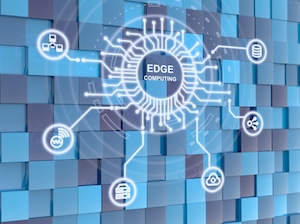
 Edge Computing uses a network of microdata stations to process and store Big Data locally, taking the concept of a distributed architecture to the next level. With the growth of sensor data from the Internet of Things (IoT), bottlenecks in network traffic, and the drawbacks of using Cloud Computing (such as spotty internet connection), Edge Computing promises to reduce the risk of clogging and better handle data on demand by handling algorithms locally. Since computer processes are generated close to the sensors and other devices, Edge Computing can prioritize information and send it to a centralized location, using network space and time more effectively.
Some Edge Computing Use Cases Include:
- Personalizing the shopping experience
- Running autonomous vehicles (cars and trucks)
- Oil well optimization
- Monitoring home appliances
- Building management systems
- Expanding 5G cellular networks
Other Definitions of Edge Computing Include:
- “A point of transition, a demarcation point where one thing ends and another begins.” (Destiny Bertucci and Patrick Hubbard, DATAVERSITY®)
- A means of allowing “data generated by the IoT to be processed near its source.” (Keith Foote, DATAVERSITY®)
- A “computing topology in which information processing and content collection and delivery are placed closer to the sources of this information.” (Kasey Panetta, Gartner)
- The practice of “processing data closer to where it is created instead of sending it across long routes to data centers or clouds.” (Brandon Butler, NetworkWorld)
Businesses Use Edge Computing to:
- Reduce latency.
- Handle business logic more efficiently.
- Allow the Internet of Things (IOT) to become smarter with analytical insight.
- Support closed networks and rugged environments (e.g., in a factory or plant).
- Provide backup data for a system.
- Analyze and store portions of data quickly and inexpensively.
Photo Credit: BeeBright/Shutterstock.com